

Hear the Conversation | Get the Book
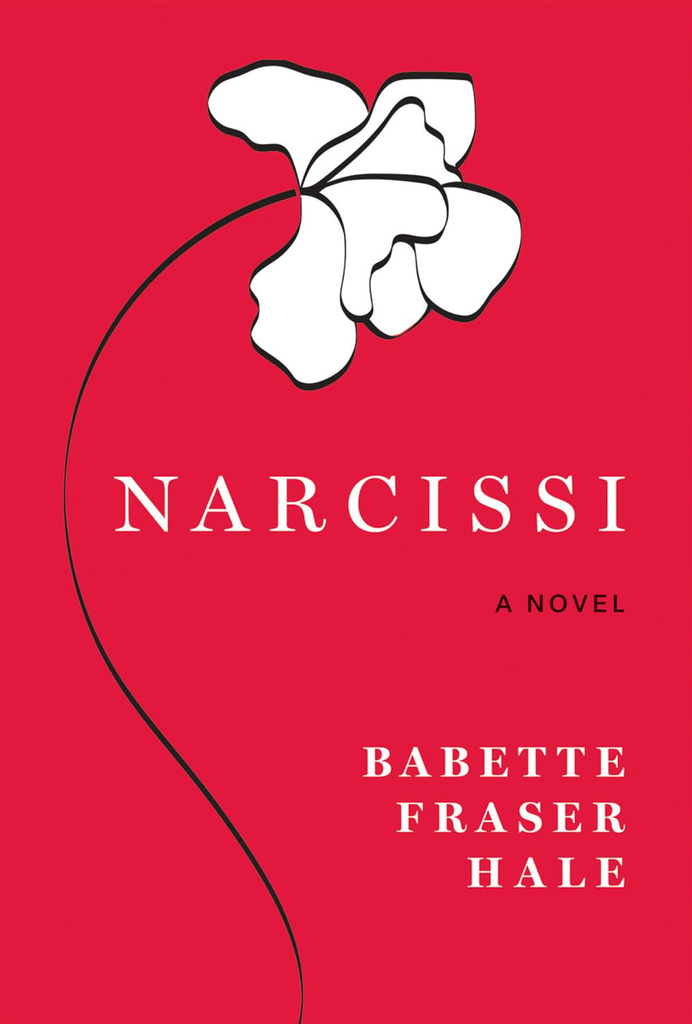
In Texas, where distance can acquire the force of destiny, movement is easily mistaken for progress. Cole Burnett, the dangerously appealing center of Babette Fraser Hale’s novel-in-stories, Narcissi, is always going somewhere. He travels because he is ambitious. He travels because he is frightened. And he travels because stillness might require him to confront the wreckage accumulating behind him. A death threat lends urgency to his wandering, but the deeper pursuit is artistic. Burnett wants to produce work that matters, an aspiration that can dignify almost any form of selfishness.
The book is set largely in 1980 and 1981, a historical threshold when the liberations promised by second-wave feminism had entered ordinary life but not yet dismantled its domestic arrangements. The AIDS crisis remained just beyond the horizon. Marriage was still the principal manner of adulthood. The women Burnett encounters carry children, abandoned ambitions, old injuries, and the persistent suspicion that their lives might have taken another shape.
Burnett’s attraction is not merely physical, though his lanky Western charm does no harm. His uncommon gift is attention. He listens. As a novelist, he hears not only what people say but what they revise, conceal, and leave unfinished. For women accustomed to being managed, interrupted, or taken for granted, his concentration feels almost radical. It also creates a promise he cannot keep. Burnett’s interest resembles intimacy so closely that the distinction becomes visible only after the damage is done. Babette Fraser Hale understands that being seen can be exhilarating without being safe.
The linked-story form allows her to resist the customary romance of the male wanderer. Burnett may supply the motion, but the women provide the depth. Babette enters their private worlds, revealing not satellites circling a charismatic man but complicated lives briefly altered by his gravity. Even the title carries a warning. The narcissus plant is lovely and poisonous, and the Narcissus of mythology loved an image that returned his gaze. Burnett collects the devotion of women partly to fill the vacant places within himself. His narcissism is not monstrous. It is recognizably human, which makes it more unsettling.
Babette arrived at fiction by a circuitous route. A childhood storyteller who illustrated tales on a Magic Slate, she spent years in journalism, where imagination could shelter beneath observation. A former husband’s claim that she lacked creative gifts lingered as such judgments do, yet she eventually outwrote it. Her neurodivergent mind, continually replaying dialogue like a private repertory company, became an instrument for catching the peculiar music of Texas speech, the accidental eloquence of people who would never call themselves eloquent.
Texas itself becomes Babette’s great counterargument to confinement. Its enormous vistas offer escape, but they also reward what she calls slow travel, the disciplined awareness of small things. Narcissi extends that attention to moral judgment. Babette Fraser Hale neither absolves nor prosecutes her characters. She asks instead for tolerance, grounded in the knowledge that harmful choices often emerge from invisible histories. Few people awaken intending cruelty. More often, they are running from something, mistaking the open road for deliverance.